Understanding Smart Home Technology
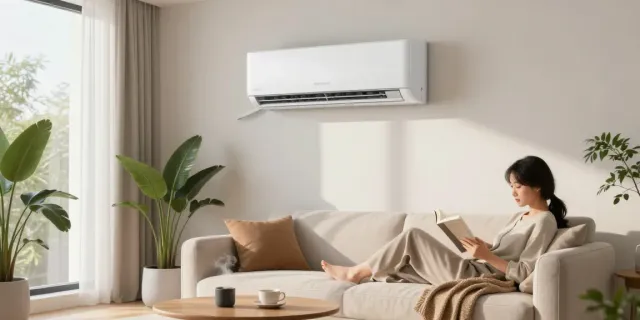
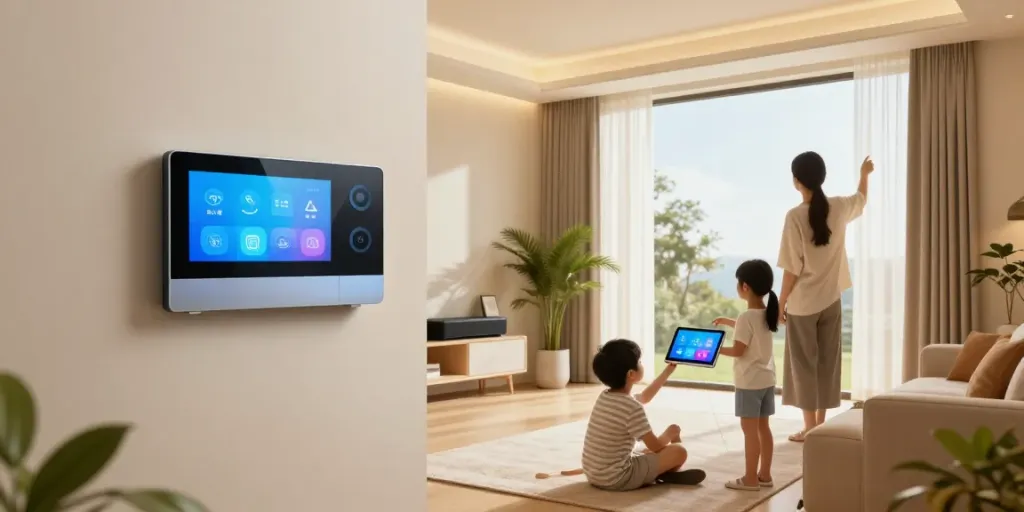
As we delve into the world of smart home technology, it becomes increasingly clear that the evolution of our living spaces is more than just a trend—it's a transformational journey toward enhanced convenience, safety, and efficiency. The smart home ecosystem integrates various devices and appliances that communicate with one another, allowing users to control them remotely via devices like smartphones or voice-activated speakers. Among the pioneers in this field is جهان اسمارت, known for providing not only products but also holistic solutions for modern homes. This comprehensive guide will help illuminate key components that define smart home technology.
What is Smart Home Technology?
Smart home technology refers to a system of interconnected devices that can be managed remotely through a central hub or a smartphone application. This encompasses everything from lighting, heating, and security systems to entertainment and appliances. Each device can be programmed or controlled to perform various tasks, improving everyday convenience significantly. The goal of smart home technology is to create a seamless living environment that responds to the needs and preferences of its occupants.
Benefits of Smart Home Systems
- Convenience: Automate daily tasks and control devices with your voice or smartphone, making life easier.
- Energy Efficiency: Manage energy consumption more effectively, which can lead to significant cost savings over time.
- Enhanced Security: Access real-time surveillance and notifications for peace of mind, even when away from home.
- Increased Comfort: Set the perfect atmosphere in your home with tailored lighting, temperature, and sound settings.
Common Components in Smart Homes
Smart homes typically consist of a variety of components, including:
- Smart Speakers: Devices like Amazon Echo or Google Home that facilitate voice control of other smart devices.
- Smart Lights: LED bulbs that can be controlled remotely or programmed to adjust automatically based on the time of day.
- Smart Thermostats: Devices that learn your habits and adjust heating and cooling for optimal energy efficiency.
- Security Cameras: Smart security solutions that provide real-time monitoring and alerts directly to your smartphone.
Smart Audio Systems: Enhancing Your Home Experience
One of the most exciting advancements in smart home technology is the advent of smart audio systems. These systems not only provide high-quality sound but also integrate seamlessly with your other smart home devices, ensuring a cohesive user experience.
Features of Modern Smart Audio Systems
Today's smart audio systems come packed with features that enhance their utility:
- Multi-Room Audio: Stream music through multiple rooms simultaneously, allowing for a consistent audio experience throughout your home.
- Voice Control: Use voice assistants to control music playback, adjust volume, and switch between devices without lifting a finger.
- Integration with Smart Home Networks: Connect with other smart devices for automated routines, such as playing a specific playlist when you arrive home.
Comparing Popular Brands: جهان اسمارت and Competitors
In the competitive landscape of smart audio systems, جهان اسمارت stands out for its commitment to quality and innovation. Many competitors focus on individual product features, but the strength of جهان اسمارت lies in its holistic approach to home automation, where audio solutions integrate effectively with a comprehensive smart home experience.
Installation and Setup Tips
When installing a smart audio system, consider the following tips:
- Plan Your Layout: Think about the layout of your rooms and how sound will travel. Place speakers strategically for optimal sound quality.
- Check Compatibility: Ensure all devices in your system are compatible with your chosen smart audio platform.
- Wi-Fi Considerations: A strong Wi-Fi connection is crucial for seamless performance. Consider investing in a mesh Wi-Fi system if you have dead zones in your home.
Smart Locks and Security Features
As the heart of home security, smart locks are an essential component of a smart home system. They provide advanced features that traditional locks simply cannot match.
Types of Smart Locks
- Keypad Locks: Allow entry via passcodes, providing enhanced convenience without the need for physical keys.
- Fingerprint Locks: Utilize biometric identification for even greater security, ensuring that only authorized users gain access.
- Remote Access Locks: Enable users to lock or unlock doors from anywhere, allowing for remote operations to grant access to guests or service personnel.
Benefits of Smart Security Systems
Smart security systems offer several advantages over traditional methods:
- Real-Time Alerts: Receive notifications for unauthorized access attempts or unusual activity around your property.
- 24/7 Monitoring: Many systems offer round-the-clock surveillance, allowing you to keep an eye on your property at all times.
- Integration with Other Devices: Smart locks can work with other smart home devices, such as cameras and sensors, creating a comprehensive security ecosystem.
Real-world Examples of Enhanced Home Security
Consider the case of a family who installed smart locks and a security camera system. They could monitor their home remotely while on vacation and receive alerts if their door was unlocked or if suspicious activity was detected. This peace of mind is invaluable in today’s world, where home security is a growing concern.
Automating Your Home with Smart Devices
Automation is at the forefront of smart home technology, allowing for seamless interactions between devices to enhance daily living.
Key Smart Devices for Every Room
- Living Room: Smart TVs, smart speakers, and automated lighting for an immersive entertainment experience.
- Kitchen: Smart refrigerators, ovens, and coffee makers that can be controlled remotely or programmed for convenience.
- Bedroom: Smart thermostats and lights that can create a relaxing environment conducive to sleep.
How to Create a Connected Home
To create a connected home:
- Choose a Central Hub: Opt for a smart home hub that can manage all your devices seamlessly.
- Standardize Protocols: Ensure all devices are compatible with protocols like Zigbee, Z-Wave, or Wi-Fi to allow for unified control.
- Automate Routines: Use automation to trigger devices based on time, location, or events (e.g., turning on the lights at sunset).
Future Trends in Home Automation for 2026
Looking ahead, several trends are anticipated to shape home automation:
- Increased AI Integration: AI will enhance device responsiveness and predictive capabilities, offering personalized experiences.
- Enhanced Security Features: Expect more sophisticated security measures, including advanced biometrics and intelligent surveillance.
- Greater Interoperability: Devices from different manufacturers will work together more seamlessly, improving user experience.
Getting Started with Your Smart Home Journey
Embarking on your smart home journey is an exciting endeavor that can significantly enhance your quality of life. However, it's essential to approach this process thoughtfully.
Choosing the Right Products for Your Needs
Begin by assessing your specific needs. Are you primarily focused on security, convenience, or energy efficiency? Prioritize devices that align with your goals. Remember, it can be beneficial to start small and expand your smart home ecosystem gradually.
Common Mistakes to Avoid
- Skipping Compatibility Checks: Always ensure that the devices you choose can communicate with each other.
- Overlooking Security: Take security seriously by changing default passwords and enabling two-factor authentication.
- Neglecting Updates: Regularly update device firmware to protect against vulnerabilities.
Resources for Smart Home Enthusiasts
Utilize online forums, blogs, and community resources to stay up-to-date with the latest trends and developments in smart home technology. Engaging with other enthusiasts can provide valuable insights and enhance your experience.
What are the advantages of smart home technology?
Smart home technology offers numerous advantages, including increased convenience, enhanced energy efficiency, improved security, and customized living environments that promote a better quality of life.
How can smart locks improve home security?
Smart locks enhance home security with features like remote access, real-time alerts, and biometric identification, making it harder for unauthorized individuals to gain entry.
What features should I look for in a smart audio system?
Key features include voice control, multi-room audio, integration with other smart devices, and high-quality sound performance.
How do I start automating my home?
Begin by identifying your needs, selecting a central hub, and gradually adding compatible smart devices that enhance your daily life.
What future trends should I be aware of in smart homes?
Stay informed on trends such as increased AI integration, enhanced security features, and greater interoperability among devices, as these will drive the future of smart home technology.