Understanding the Mini Split AC System
As the demand for efficient heating and cooling solutions rises, the mini split ac system has emerged as a top contender in residential and commercial spaces. These systems provide versatility and energy efficiency, making them an attractive option for homeowners and businesses alike. In this article, we will explore the intricacies of mini split systems, their benefits, challenges, and how they compare to traditional HVAC solutions.
What is a Mini Split AC System?
A mini split AC system, also known as a ductless air conditioning system, consists of two primary components: an outdoor compressor unit and one or more indoor air-handling units. Unlike traditional central air conditioning systems, mini splits do not require ductwork, making them ideal for homes without existing ducts or for room additions where extending ductwork is impractical.
These systems operate by transferring heat between the indoor and outdoor environments, which is facilitated by a refrigerant that circulates through copper tubing. This setup allows for precise temperature control in individual rooms or zones, providing customizable comfort tailored to each space's needs.
Components of a Mini Split System
Understanding the main components of a mini split system can help consumers appreciate its efficiency:
- Outdoor Unit: Contains the compressor, fan, and condenser coils. This unit is responsible for dissipating heat extracted from inside the home.
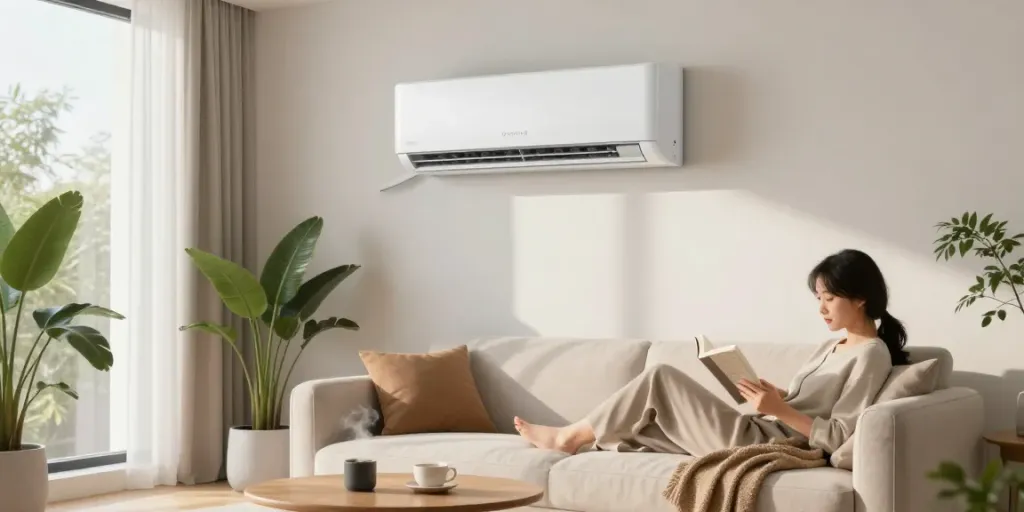
- Indoor Unit: Typically mounted high on a wall, this unit consists of the evaporator coil and a fan. It circulates cool air into the living space.
- Refrigerant Lines: Insulated copper pipes that transport refrigerant between the indoor and outdoor units.
- Drain Line: Removes condensate produced during the cooling process.
- Remote Control: Allows users to adjust settings such as temperature and fan speed from anywhere in the room.
How Mini Splits Work
Mini splits operate using a heat pump mechanism, which can both cool and heat spaces efficiently. During the cooling mode, the indoor unit absorbs heat from the room air through its evaporator coil, while the compressor in the outdoor unit circulates the refrigerant, which absorbs the heat and releases it outside. Conversely, in heating mode, the process is reversed, and the system draws heat from the outside air—even in colder temperatures—and transfers it indoors.
This versatility makes mini split systems popular in various climates, effectively providing comfort year-round.
Benefits of Mini Split AC Systems
Energy Efficiency Compared to Traditional Systems
One of the standout features of mini split AC systems is their energy efficiency. They often achieve higher seasonal energy efficiency ratios (SEER) compared to traditional systems. This is primarily because they operate without the energy loss associated with ductwork. When ducts are not properly sealed, cooled or heated air can escape, leading to higher energy costs.
Additionally, mini splits allow users to control the temperature in different zones, enabling them to avoid cooling or heating unoccupied rooms and further reducing energy consumption.
Cost-Effectiveness in the Long Run
While the initial installation cost of a mini split system may be higher than traditional AC units, the long-term savings on energy bills and maintenance can make it a more cost-effective solution. Homeowners can save on energy costs through increased efficiency while also benefiting from tax credits and rebates that may be available for energy-efficient appliances.
The lower maintenance requirements associated with mini splits compared to traditional HVAC systems also contribute to their cost-effectiveness over time.
Flexibility in Installation and Use
Mini split systems offer unparalleled flexibility in installation. They can be mounted on walls, ceilings, or floors, and the absence of ductwork allows for installation in a variety of settings, from residential homes to commercial spaces. This flexibility also extends to their function; users can choose to operate one or multiple indoor units based on their needs.
Moreover, mini splits are less obtrusive than ducted systems, with sleek indoor designs that blend seamlessly into modern interiors.
Common Challenges with Mini Split Systems
Installation Complexity and Costs
While the installation of a mini split system can be less invasive than traditional ducted systems, it still requires professional expertise. The need to install refrigerant lines and electrical connections can be complex, potentially leading to higher installation costs. This complexity is often a barrier for homeowners considering the switch to mini splits.
It’s essential to choose a qualified technician to ensure proper installation and performance. Poor installation can compromise the system's efficiency and lifespan.
Maintenance Requirements and Issues
Though mini splits generally require less maintenance than traditional HVAC systems, they still need regular upkeep to ensure optimal performance. Homeowners should clean or replace filters every few months and have a professional inspection annually to check for refrigerant levels and other potential issues. Neglecting maintenance can lead to decreased efficiency and increased energy bills.
Users should also be proactive about cleaning outdoor units, as debris and dirt can obstruct airflow and negatively impact the system's performance.
Noise Levels and Comfort Considerations
Although mini split systems are generally quieter than window units and traditional AC systems, noise levels can vary significantly depending on the model and installation. Some indoor units may produce noise levels that can be disruptive, especially in quiet settings. It's essential to review product specifications and consider units designed for minimal noise if sound is a primary concern.
Additionally, the location of the indoor unit can impact comfort. Proper placement is critical to ensure even air distribution across the room.
Comparing Options: DIY vs Professional Installation
Pros and Cons of DIY Mini Split Systems
As more homeowners look to save on installation costs, DIY mini split systems have gained popularity. The benefits include:
- Cost Savings: Installing the system yourself can significantly reduce labor costs.
- Control Over Process: DIY installation allows homeowners to work at their own pace and tailor the setup to their specifications.
- Learning Experience: Engaging in the installation process can educate homeowners about their HVAC systems.
However, there are notable downsides, including:
- Risk of Improper Installation: Without the right expertise, you may install the system incorrectly, leading to inefficiency or damage.
- Limited Warranty: Many manufacturers require professional installation for full warranty coverage.
- Time-Consuming: DIY projects may take longer than anticipated, leading to discomfort during installation periods.
Cost Analysis of Professional Installation
Professional installation typically costs between $500 to $2,000, depending on the complexity of the job and the number of indoor units. This cost may seem steep initially; however, the assurance of a correctly installed system can lead to better energy efficiency and fewer maintenance issues down the line.
Moreover, many HVAC companies offer financing options that can make the upfront costs more manageable for homeowners.
Choosing the Right Option for Your Home
Ultimately, the decision between DIY and professional installation will depend on a homeowner's comfort level with technical tasks and their budget. If you possess the skills and tools necessary for a DIY installation, it can be a rewarding endeavor. However, those unfamiliar with HVAC systems may benefit from hiring professionals to ensure a successful installation.
Future Trends in Mini Split Technology
Emerging Developments for 2026 and Beyond
As technology continues to evolve, mini split systems are also benefitting from advancements in innovation. In 2026 and beyond, several trends are likely to shape the market:
- Increased Efficiency Ratings: Manufacturers are constantly working to improve SEER ratings, leading to even more energy-efficient systems.
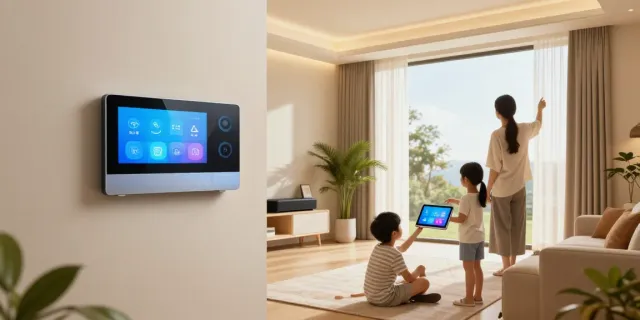
- Integration with Smart Home Technology: Many new mini splits will likely come equipped with Wi-Fi capabilities, allowing users to control their systems remotely and integrate with other smart devices.
- Eco-Friendly Refrigerants: New refrigerants that have a lower environmental impact are being adopted to align with global efforts to reduce greenhouse gas emissions.
Smart Technology Integration in Mini Splits
The integration of smart technology into mini split systems is transforming how users interact with their HVAC solutions. Smart thermostats and mobile apps will provide real-time monitoring, energy usage reports, and the ability to adjust settings remotely. These features not only enhance user experience but also promote energy conservation through more informed usage patterns.
As consumers become increasingly eco-conscious, smart features that optimize energy use can significantly impact long-term comfort and efficiency.
Predictions for Energy Regulations and Standards
The HVAC industry is also seeing a shift towards stricter energy regulations and standards. As governments and organizations push for greener alternatives, mini split systems are likely to be held to higher efficiency benchmarks. This may drive innovation and improve the overall quality of mini splits available on the market.
Consumers can expect more transparency regarding energy efficiency and potential savings, helping them make informed decisions about their HVAC systems.
What are the downsides of a mini split AC system?
Some common downsides include higher upfront costs, the need for professional installation, and potential noise issues with certain models. Additionally, if not maintained properly, efficiency can suffer over time.
What is the typical cost of installing a mini split system?
Installation costs can range from $500 to $2,000, depending on the complexity and number of units. This price often includes labor, materials, and any necessary permits.
What should I consider before buying a mini split system?
Consider factors such as heating and cooling needs, system efficiency ratings, budget for installation, and whether you prefer DIY or professional installation. It’s also essential to evaluate the warranty and customer support from manufacturers.
Can a mini split system heat my home in winter?
Yes, many mini split systems are designed to operate efficiently in colder temperatures, making them suitable for year-round use, including winter heating.
How do I maintain my mini split AC system?
Regular maintenance should include cleaning or replacing filters, checking refrigerant levels, and having a professional inspect the unit annually. Keeping the outdoor unit free of debris will also enhance performance.