
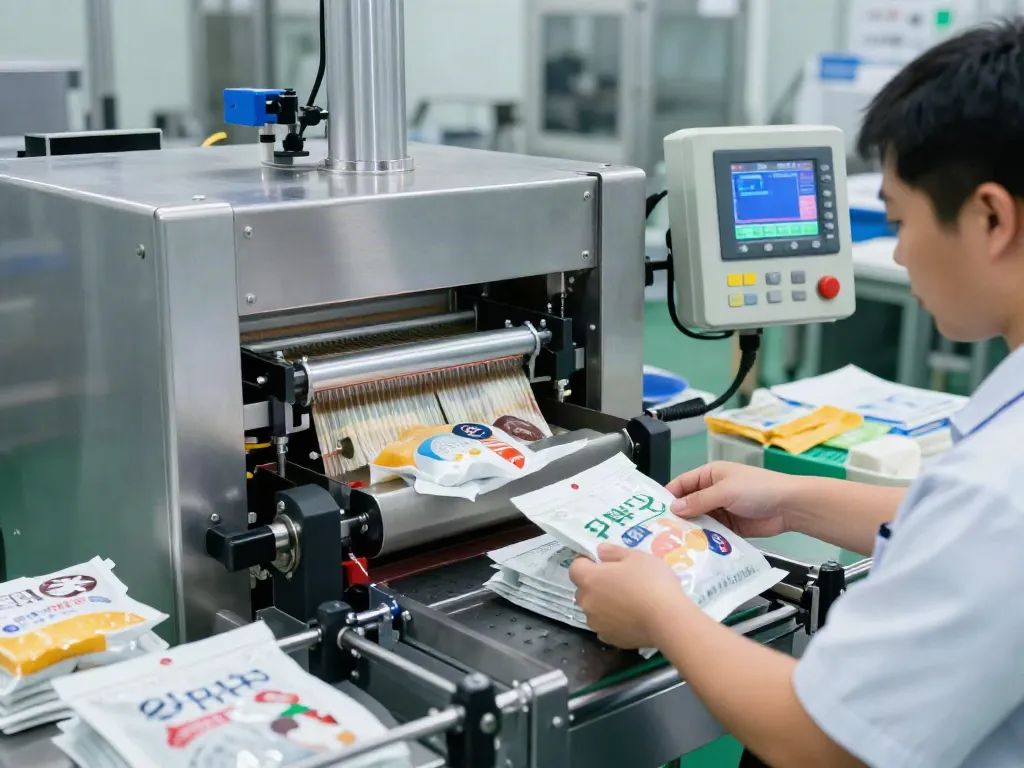
The Evolution of Automatic Bagging Machine Manufacturers
The landscape of packaging machinery has dramatically evolved over the past few decades, particularly with the rise of automatic bagging machine manufacturers like Durzerd. Established in 2005, Durzerd has outpaced competitors by embracing technological advancements and responding to growing market needs. As industries strive for efficiency and precision, understanding the evolution of bagging technologies is crucial for any business involved in packaging.
Historical Overview of Bagging Technologies
The origins of bagging technologies can be traced back to manual processes that required significant labor and time. In the early days, products were hand-filled into bags, a method prone to inconsistencies and inefficiencies. As demand for bulk packaging escalated, the need for automation became apparent. This led to the development of basic mechanical baggers in the 1960s and 70s, which laid the groundwork for the sophisticated automatic bagging machines of today.
Key Innovations in Packaging Machinery
One of the pivotal innovations in the packaging industry has been the introduction of Form Fill Seal (FFS) technology, which allows for the creation of bags from roll stock, filling them with product, and sealing them in a single continuous process. This technology has significantly reduced packaging time and costs. Additionally, advancements in sensors and robotics are enhancing the precision and speed of bagging machines, setting the stage for manufacturers to increase productivity and minimize waste.
Industry Milestones and Developments
Throughout the years, several milestones have marked the evolution of bagging machinery. The transition from pneumatic systems to servo-driven technologies has improved reliability and versatility, accommodating a wider range of products—from powders to liquids and everything in between. Moreover, the integration of computer systems in bagging machines allows for real-time monitoring and adjustments, which are essential for high-speed production lines. Companies, including Durzerd, have leveraged these advancements to remain competitive in the global market.
Technological Advances in Automatic Bagging Machines
Technological innovation continues to reshape the automatic bagging machine sector. The efficacy of these machines hinges not only on hardware advancements but also on their software capabilities. For manufacturers, this implies that embracing the latest technologies, such as AI and machine learning, is no longer optional but a necessity to thrive in 2026.
Integration of AI and Machine Learning in Manufacturing
Artificial intelligence (AI) and machine learning are revolutionizing how automatic bagging machines operate. These technologies facilitate predictive maintenance, whereby machines can alert operators when maintenance is needed before a breakdown occurs. This not only prevents costly downtime but also extends the life of the equipment. Furthermore, AI algorithms can optimize packing patterns and processes based on real-time data, enhancing overall efficiency.
Smart Features and User Interfaces
The user experience has also seen significant improvements with modern automatic bagging machines. Manufacturers now incorporate intuitive touchscreens with user-friendly interfaces that allow operators to easily configure settings and troubleshoot problems. This advancement minimizes training time and reduces the likelihood of operator error, further maximizing productivity.
Automation and Efficiency Gains in Production Lines
Automation in the packaging industry is synonymous with efficiency. By automating the bagging process, businesses can meet higher production demands without sacrificing quality. Automatic bagging machines can operate at speeds of up to 120 bags per minute, vastly exceeding manual methods. Moreover, automated systems reduce the risk of packaging errors, ensuring accuracy in product weights and reducing costs associated with returns and rework.
Choosing the Right Automatic Bagging Machine
Choosing the right automatic bagging machine is critical to maximizing your packaging operations. With numerous manufacturers available, it’s essential to consider specific factors to ensure that you select the most suitable equipment for your needs.
Factors Influencing Your Selection
When evaluating automatic bagging machines, consider the following factors:
- Product Type: The nature of the product—whether it is a solid, liquid, or powder—will significantly influence the design and functionality of the bagging machine.
- Production Volume: High-volume facilities may require more robust machines capable of sustained high-speed operation.
- Bag Style: Different applications necessitate different bag styles, such as pillow bags or gusseted bags, which should be factored into your decision.
- Budget: Cost is always a consideration, but it's crucial to balance initial investment with long-term efficiency and productivity gains.
Common Misconceptions About Bagging Machinery
A common misconception is that all automatic bagging machines are the same. This is far from the truth. Different manufacturers offer various features tailored to specific industries and product types. Therefore, when exploring options, automatic bagging machine manufacturers provide comprehensive insights into the unique capabilities and advantages of their machines, which should be carefully analyzed.
Best Practices for Equipment Evaluation
To effectively evaluate equipment, consider conducting a thorough analysis that includes:
- Comparative assessments of multiple manufacturers
- Requesting demonstrations or trials of the equipment
- Reading reviews and case studies from other users
- Consulting with industry experts to gain insights into operational efficiencies
Industry Applications and Use Cases
Automatic bagging machines are versatile and applicable across multiple industries. Each sector has unique requirements that these machines can effectively meet, showcasing their adaptability and importance in modern packaging scenarios.
Packaging Solutions in Food and Beverage
The food and beverage industry has been one of the primary beneficiaries of automatic bagging technology. These machines ensure hygiene and consistency in packaging, crucial for food safety. They can handle various products, from granulated items like sugar to liquids like sauces, all while maintaining compliance with health regulations.
Pharmaceuticals and Consumer Goods Applications
Pharmaceutical packaging demands strict adherence to safety protocols, and automatic bagging machines excel in maintaining precision and integrity in the packaging process. Similarly, consumer goods manufacturers benefit from the efficiency and flexibility of these machines, allowing for rapid production lines that can adapt to various product sizes and types.
Understanding Unique Industry Challenges
Each industry presents specific challenges, from regulatory compliance in pharmaceuticals to the need for fast-paced production in consumer goods. Automatic bagging machines must be tailored to overcome these hurdles, showcasing the importance of selecting the right manufacturer with expertise in your industry.
Future Trends for Automatic Bagging Machine Manufacturers
Looking ahead, the future of automatic bagging machines is bright, with numerous innovations on the horizon. Manufacturers must stay ahead of trends to remain competitive in the ever-evolving market.
Predicted Innovations and Technologies for 2026
By 2026, we can expect numerous breakthroughs, including further enhancements in AI integration for predictive analytics and maintenance, more sustainable materials for packaging, and technology that allows for more eco-friendly practices in bag production and disposal.
Impact of Sustainability on Packaging Machinery
Sustainability is shaping the future of packaging machinery, with consumers increasingly demanding eco-friendly solutions. Manufacturers are responding by designing machines that utilize biodegradable materials and reduce waste during production processes. This shift not only meets consumer expectations but also aligns with regulatory pressures for greener practices.
Industry Expert Insights and Predictions
Industry experts suggest that the trend towards automation will only continue to grow as businesses recognize the cost savings associated with reducing labor costs and increasing operational efficiency. Additionally, experts recommend that manufacturers invest in R&D to stay ahead of technological trends and consumer demands.
What are the best automated bagging systems?
The best automated bagging systems are those that can be tailored to the specific needs of the business, incorporating the latest technological advancements while ensuring regulatory compliance and facilitating ease of use.
Who are some leading manufacturers of packaging equipment?
Leading manufacturers include Durzerd, Concetti, and Pregis, which all offer a range of solutions tailored to various industries, ensuring businesses can find the right fit for their packaging needs.
What should I consider when purchasing a bagging machine?
Consider your product type, production volume, and the specific features offered by different manufacturers. Evaluating these aspects will help ensure you select a machine that meets your operational requirements.
How do automatic bagging machines improve efficiency?
Automatic bagging machines enhance efficiency by automating the packaging process, significantly reducing time and labor costs while minimizing errors in the packaging of products.
What industries use automatic bagging machines the most?
Industries such as food and beverage, pharmaceuticals, and consumer goods are the largest users of automatic bagging machines, each benefiting from the efficiency and precision these machines provide.