Understanding Custom Water Treatment Equipment
In an era where sustainability is paramount, the demand for efficient, tailored solutions to water treatment is growing exponentially. When businesses face unique challenges in their operations, Custom Water Treatment Equipment emerges as a crucial factor in meeting regulatory standards and enhancing operational efficiency. Custom solutions not only address specific treatment needs but also adapt to the varying scales and complexities of industrial operations.
What is Custom Water Treatment Equipment?
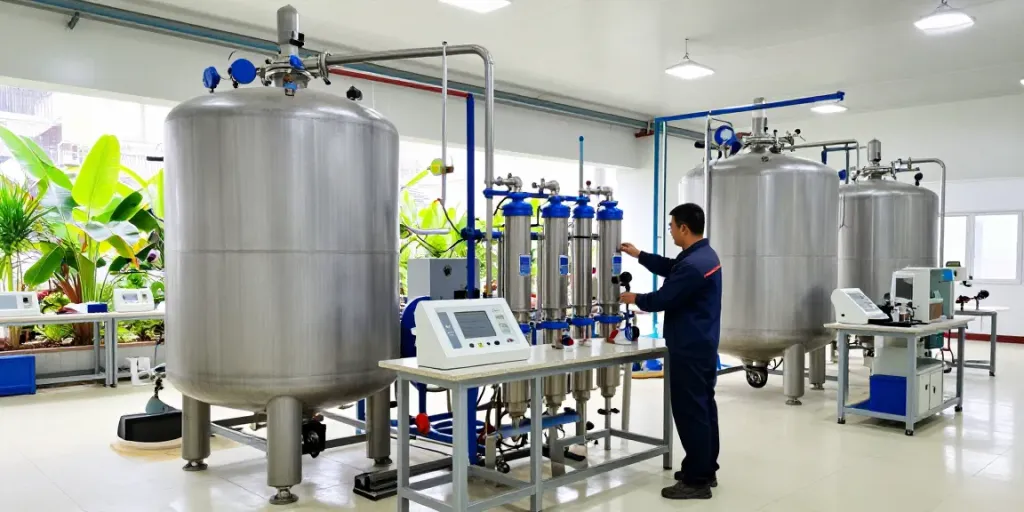
Custom water treatment equipment encompasses a range of technologies and systems designed to treat water based on specific requirements. Unlike off-the-shelf solutions, these systems are engineered to support various industries, including chemical, food processing, textiles, and more. Each system is tailored to the unique contaminants and conditions of the water source, ensuring optimal performance and compliance with environmental regulations.
Benefits of Tailored Water Treatment Solutions
- Efficiency: Custom solutions are designed to maximize efficiency, reducing water waste and energy consumption.
- Compliance: They help companies meet local and international water quality standards.
- Cost-Effectiveness: Tailored systems can lead to significant savings in operational costs over time.
- Scalability: Custom equipment can be scaled up or down based on changing needs.
Key Components and Technologies
Custom water treatment systems often integrate various technologies, such as filtration, chemical dosing, and membrane separation. Key components include:
- Membrane Elements: Used for reverse osmosis and ultrafiltration processes.
- Online Water Analyzers: These devices provide real-time data on water quality parameters, ensuring effective treatment.
- Integrated Chemical Process Systems: Advanced systems that deliver precise chemical dosing, enhancing treatment accuracy.
Common Mistakes in Choosing Custom Water Treatment Equipment
Despite the clear advantages of custom water treatment solutions, many companies still make critical mistakes during the selection process. Awareness of these pitfalls can lead to better decision-making.
Ignoring Long-Term Costs and Savings
One of the most common mistakes is focusing solely on the initial investment cost rather than considering the long-term operational costs. Custom solutions may have higher upfront costs but can lead to substantial savings through efficiency gains and reduced maintenance requirements over time.
Overlooking Regulatory Compliance
Companies often neglect to verify whether the custom solutions meet local and international regulations. Non-compliance can result in hefty fines and operational shutdowns, making it crucial to prioritize compliance when selecting equipment.
Neglecting Maintenance and Support
Not considering ongoing maintenance and support can lead to operational disruptions. It's vital to ensure that the manufacturer provides comprehensive support and training to manage the equipment effectively.
Best Practices for Selecting Custom Water Treatment Solutions
Choosing the right custom water treatment system requires a systematic approach. Here are best practices that can help businesses make informed choices.
Assessing Your Specific Needs
Before considering suppliers or systems, it's essential to conduct a thorough assessment of your water treatment needs. Factors such as water quality, volume, and contaminants should be meticulously evaluated to determine the best solution.
Evaluating Supplier Credentials and Experience
When selecting a custom water treatment equipment manufacturer, investigate their credentials, experience, and client portfolio. A reputable supplier will have demonstrable expertise in your specific industry.
Conducting Cost-Benefit Analysis
Performing a detailed cost-benefit analysis can aid decision-makers in understanding the financial implications of selecting a particular solution. This includes evaluating installation costs, expected operational savings, and potential risks.
Case Studies: Successful Implementations
Real-world examples can illustrate the efficacy of custom water treatment solutions. Here are a few noteworthy case studies:
Industry Examples of Efficient Water Treatment
A leading food processing company implemented a customized filtration system that reduced water usage by 30% while maintaining product quality. This tailored approach not only complied with environmental regulations but also resulted in significant cost savings.
Challenges Overcome with Custom Solutions
In the textile industry, a custom solution was developed to tackle high levels of dyes and chemicals in wastewater. The system employed advanced membrane technology that successfully reduced contaminant levels, allowing compliance with discharge standards.
Performance Metrics and Success Rates
Companies utilizing custom water treatment solutions often report improved performance metrics, including reduced energy consumption and lower operating costs. Quantifiable success rates can enhance a company’s credibility and promote sustainable practices.
Future Trends in Water Treatment Equipment (2026 and Beyond)
The water treatment industry is evolving rapidly, with several trends set to shape the future of custom solutions.
Emerging Technologies Enhancing Efficiency
Technological advancements, such as AI and IoT, are expected to revolutionize water treatment systems. These tools will provide real-time analytics, enhance predictive maintenance, and automate control processes, increasing overall system efficiency.
Predicted Regulatory Changes
As environmental standards become more stringent, manufacturers must stay ahead of evolving regulations. Ensuring that custom equipment is designed with compliance in mind will be crucial for long-term success.
The Role of AI and Automation in Water Treatment
AI and automation are poised to play significant roles in optimizing water treatment processes. Automated systems can adjust treatment protocols in real-time, ensuring consistency and efficiency.
What is the cost of a custom water treatment system?
The cost of a custom water treatment system varies widely based on specs and complexities. Factors to consider include system size, technology used, and installation requirements. Businesses must weigh these costs against long-term operational savings.
How does custom water treatment improve efficiency?
Custom water treatment solutions enhance efficiency by targeting specific contaminants, reducing waste, and optimizing resource consumption. This tailored approach ensures that treatment processes are aligned with operational goals.
Can small businesses benefit from custom water treatment solutions?
Absolutely. Small businesses can enhance their operational efficiency and compliance with environmental policies by investing in custom solutions that suit their specific needs.
What factors should be considered in water treatment system design?
Key design factors include the type and quality of water source, treatment objectives, local regulations, and the anticipated growth and scalability of operations.
How can businesses ensure compliance with environmental standards?
To ensure compliance, businesses should engage with experienced suppliers who understand regulatory requirements, conduct regular audits, and implement robust monitoring systems in their water treatment practices.